
Caregiving has become a popular route for Chinese-speaking students who want to study and build a career in Japan. A dedicated Care Welfare Worker course teaches Japan’s elderly-care know-how systematically and leads to a nationally recognised qualification. With Japanese around JLPT N2, a high-school education or above, and a genuine commitment to care work, students can build a stable international career.
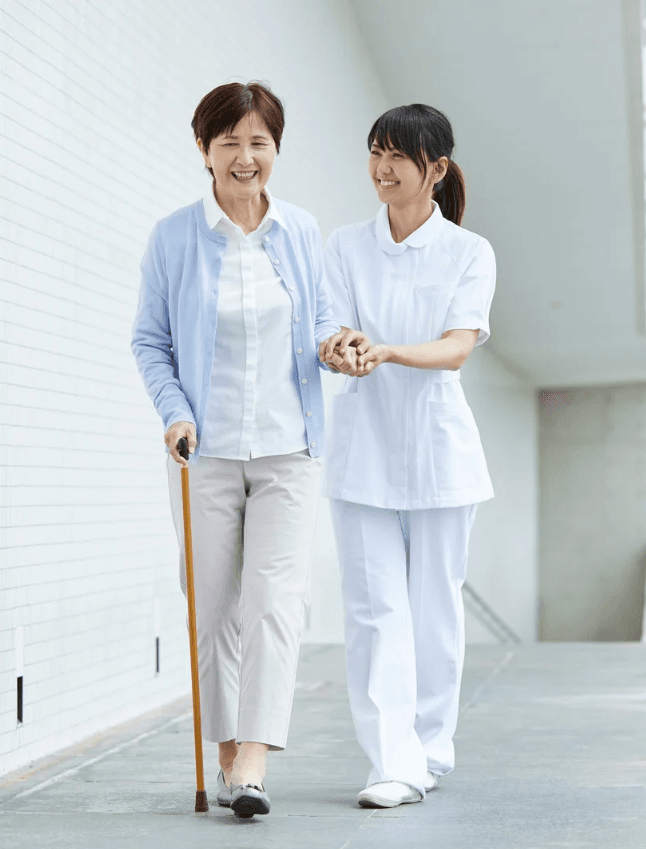
Why choose caregiving in Japan?
- Job security and room to grow: demand for elderly care in Japan is enormous, and qualified graduates effectively all find work.
- Structured courses with real internships: roughly two years, with 1,850 class hours and at least 450 hours of internship.
- A national licence: graduates sit the Care Welfare Worker examination; adding a nursing qualification opens further doors.
- Cultural depth: studying in Japan immerses you in the society and builds an international network.
Key points for the Japanese caregiving visa
What Labour Services provides:
- A fast three-month course to obtain the required qualification
- Job matching once you complete it
- A low-cost, streamlined first step into the industry
Basic entry requirements:
- High-school graduation or above
- Japanese at JLPT N4 or above
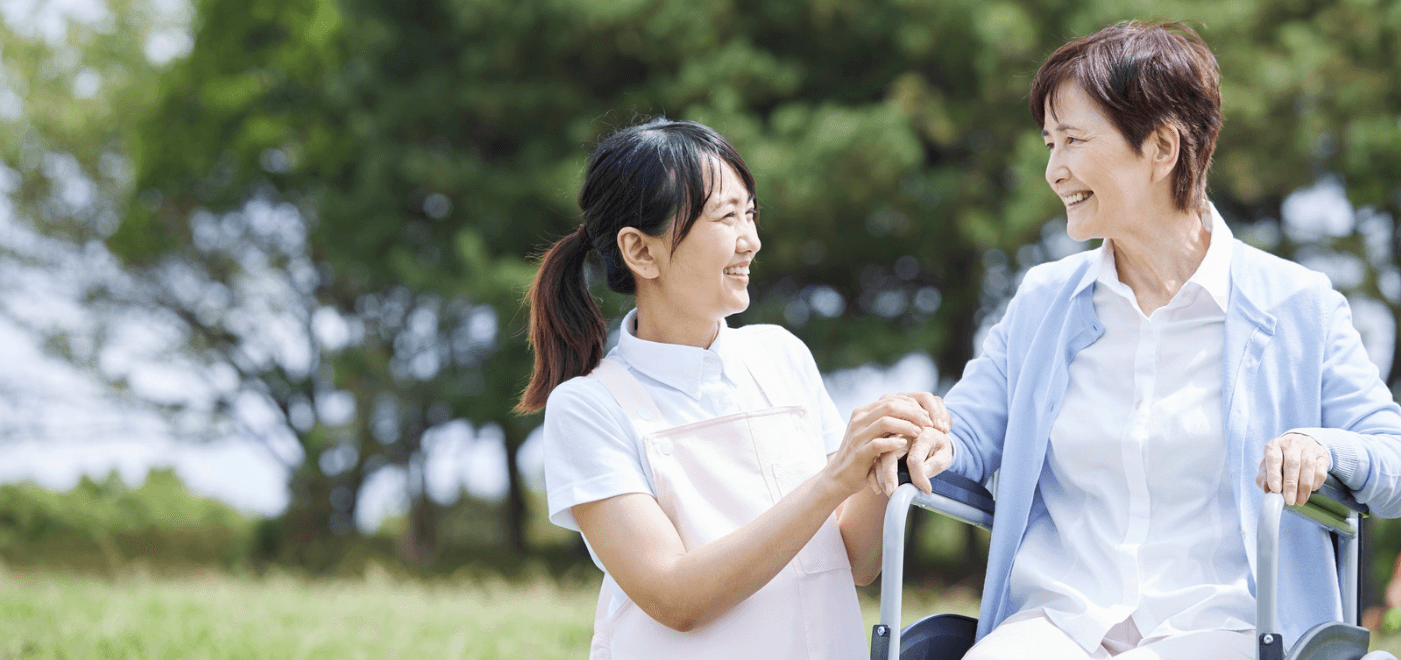
The full process at a glance
Four stages — preparation, application, study, and qualifying:
01
Research schools and requirements
Shortlist target schools; check academic, Japanese-language and budget requirements.
02
Prepare Japanese and application
Reach JLPT N2–N4 and gather academic and health certificates.

03
Submit and wait for review
File documents, pay the application fee, and await school and immigration review.
04
Offer and student visa
After acceptance, obtain the visa, book flights and complete the pre-departure briefing.

05
Enrol and study
Theory plus practice in Japan, with legal part-time work as a care assistant.

06
Qualify and start work
Sit the national examination, obtain the licence, switch to a work visa and start full-time.
Students heading to Japan for caregiving typically move through these stages:
I. Preparation
- Know your goal: work or long-term settlement; plan early for the Care Welfare Worker licence.
- Japanese: JLPT N2 or N4 and above.
- Academic and health: high-school graduate or above, in good health, clean record. Tattoos are not accepted.
II. Documents and application
- Materials: academic proof (12+ years of schooling, non-Japanese nationality, 18+, under 40 easier for scholarships), funds proof, Japanese proof, application forms and transcripts.
- Apply and pay: submit electronic and paper materials; await school review.
- Visa: after acceptance, immigration reviews residence status (about 2–3 months); then obtain the student visa and prepare to fly.
III. Study in Japan
- Enter a specialist school in the April term for the two-year care programme.
- Complete 1,850+ class hours and 450+ internship hours.
- Part-time care-assistant work is legal during study.
IV. Qualify and work
- Sit the national Care Welfare Worker examination after graduating and completing internships.
- With the licence, apply for the caregiving visa and work long-term; graduate employment is effectively 100%.

Route 1: N4 Japanese + caregiving course
Start online; after passing the qualification test, fly to Japan, enrol, settle and work.
| Step | Stage | What happens | Time / cost / notes |
| 1 | Online pre-study (before departure) | Japanese lessons with Chinese support, caregiving skills, exam strategy, culture and etiquette, interview and job guidance | 2 months, 2 days a week, 1–2 hours per session, about 10 hours a week, 42 hours in total |
| 2 | Study trip to Japan (14 days) | Airport pickup, accommodation and entry into the caregiving school; Japanese classes with support; specified-skills exam guidance | 10 days intensive, 4 hours a day, 60 hours. China–Japan airfare is self-funded |
| 3 | National basic caregiving examination | Sit Japan's national basic examination for specified caregiving skills | To be confirmed; the school will notify you |
| 4 | Pass and match with an employer | Résumé and online interview; the company assigns your position | The employer assists with visa processing |
| 5 | Specified Skilled Worker visa | Once the employer decides to hire you, submit the visa materials and receive a 5-year visa | You enter Japan on this visa |
| 6 | Start work | Employed in the Japanese caregiving industry. Fees cover the full service: language training, exam guidance and accommodation arrangement | Monthly salary around ¥250,000–300,000, depending on working hours |
| 7 | Study for the full licence while working | Continue learning online and prepare for the Care Welfare Worker examination within three years | Tuition during the internship period can be advanced by the employer; this varies by company |
| – | Total cost reference for the online-learning route | School fees around ¥777,000; meals and accommodation not included |
Route 2: N2 Japanese + caregiving course
Start online; after passing the qualification test, fly to Japan, enrol, settle and work.
| Step | Stage | What happens | Time / cost / notes |
| 1 | Check eligibility | JLPT N2 and 12 years of education (high-school graduation) | Apply by the end of January each year |
| 2 | Submit documents for review | Academic and Japanese-language certificates go to the school for review | Enrolment every April |
| 3 | Student visa | You may work part-time legally, up to 28 hours a week | Part-time pay ¥1,200–1,400 per hour, up to 112 hours a month |
| 4 | Part-time income while studying | Around ¥134,400–156,800 a month | Depends on the position and hours worked |
| 5 | Tuition and living costs | First-year tuition ¥920,000, second year ¥820,000, ¥1,740,000 in total | Living costs around ¥100,000 a month, about ¥1,200,000 a year |
| 6 | Graduate and qualify | Sit the national Care Welfare Worker examination after graduation; on passing, the employer supports the work visa | Two-year tuition total ¥1,740,000 |
| 7 | Start full-time work | Take-home pay around ¥210,000–250,000 a month, after about ¥40,000 of pension and insurance deductions | The work visa allows long-term employment |
| 8 | The longer term | Promotion tracks and options for long-term settlement | Ask the school or employer for current details |
Study-and-work in Japan: one-page comparison
| Route | How you qualify | Study hours / requirements | Visa | Visa validity | Typical monthly pay | Progression and benefits | Further study and employment | Worth knowing |
| Certified Care Worker | National examination via vocational school | High-school graduation plus 1,850 class hours | Work visa (caregiving) | Renewable indefinitely | Around ¥330,000 | Per the employer's scheme | Top up to a four-year degree; effectively guaranteed employment on graduation | Very high employment rate; long-term development is realistic |
| Trainee caregiver | Pre-study course plus caregiving school course | 450 hours | Specified Skilled Worker or Technical Intern Training | Up to 5 years, non-renewable | ¥210,000 at 150 hours; ¥280,000 at 200 hours | Entry-level positions only | Route to the full Care Worker qualification | Recognised in China |
| No qualification | No training or course | — | — | — | — | — | — | You cannot work in Japanese care |
Japan's ageing population and why caregivers matter
A shifting population
- 1965: 9.1 people aged 20–64 supported each person over 65.
- 2012: down to 2.4.
- 2050 (projected): just 1.2.
What the shift means
- The working-age population is shrinking fast while the elderly share climbs.
- Each young person will carry more of the care burden.
- Demand for caregivers will keep growing — an excellent long-term industry.
An ageing society makes caregivers a structural necessity. Choosing caregiving means choosing long-term, stable employment and growth.
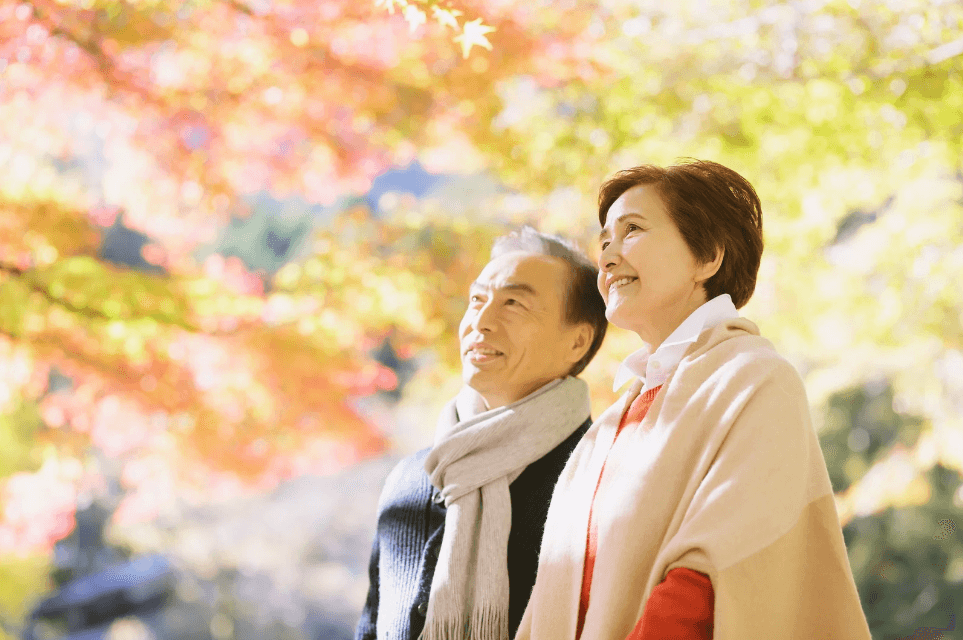
Interactive classes: grow together
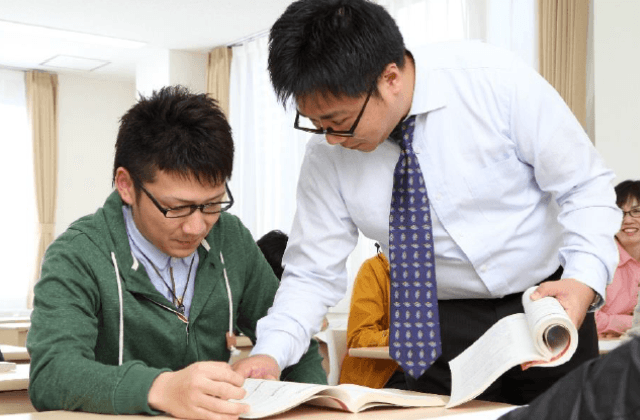
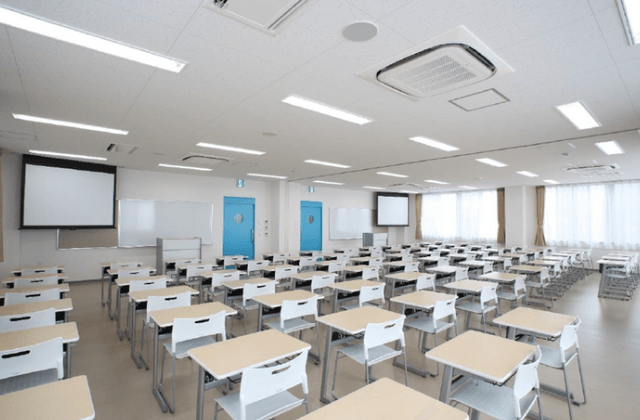
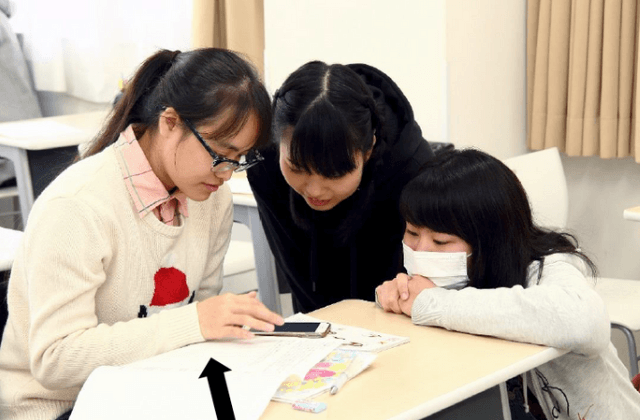

Learn by doing: become a true care professional
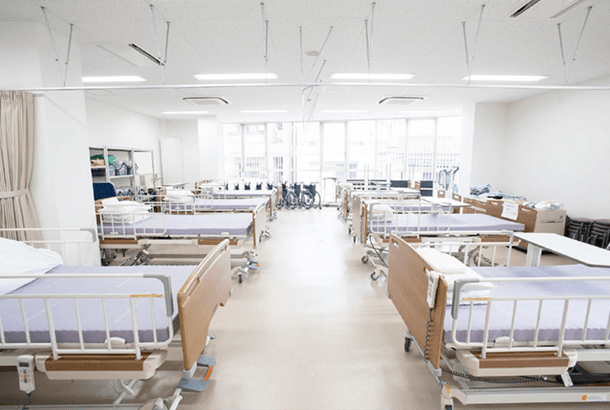
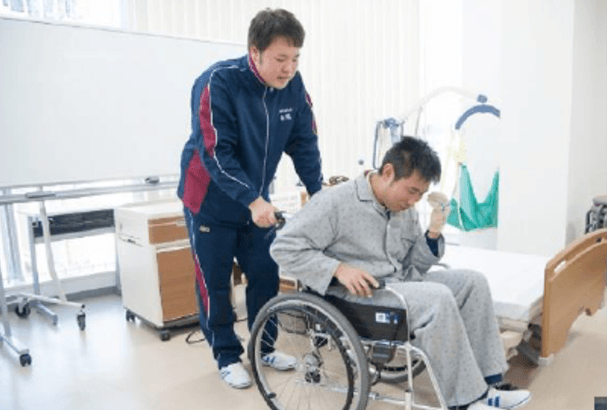
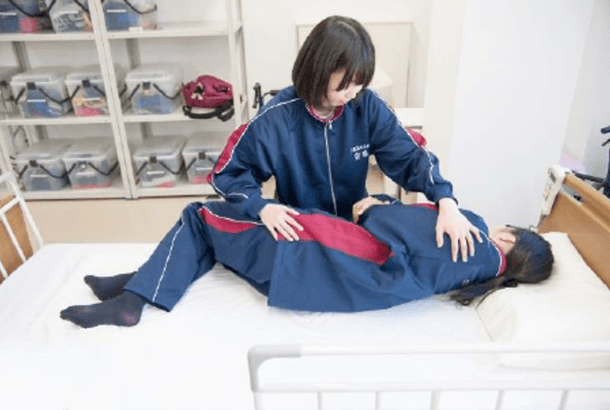
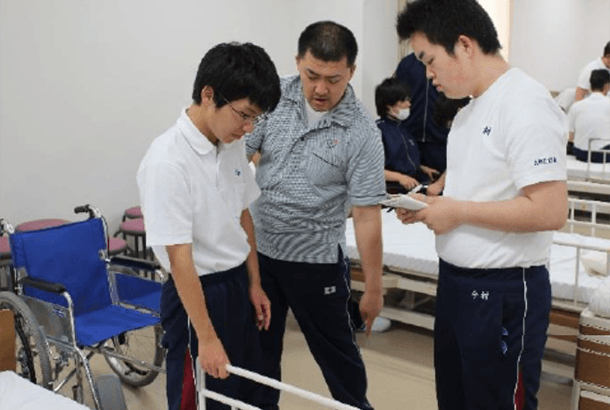
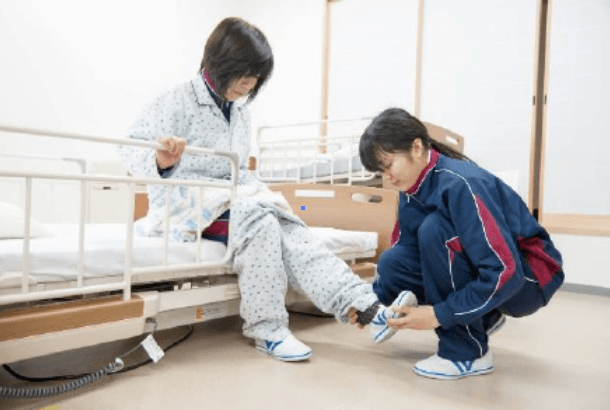
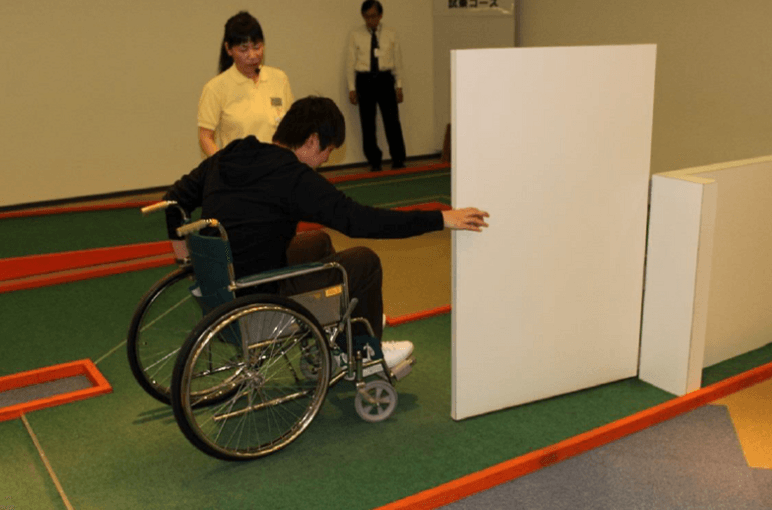
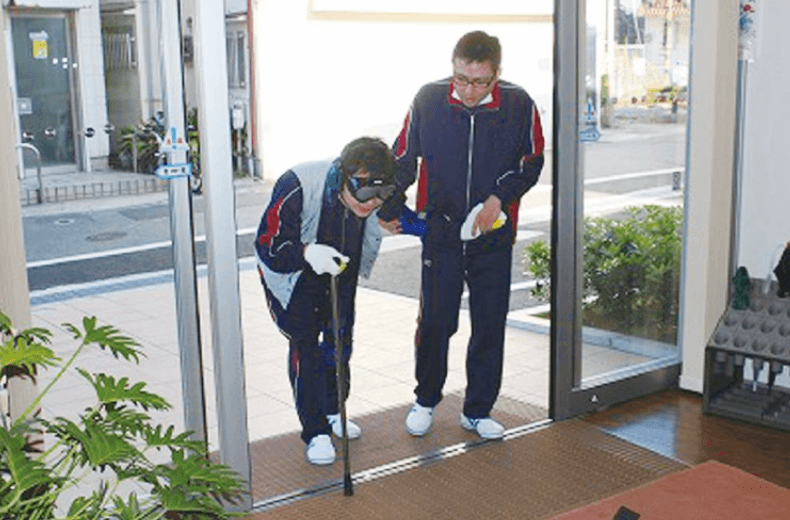
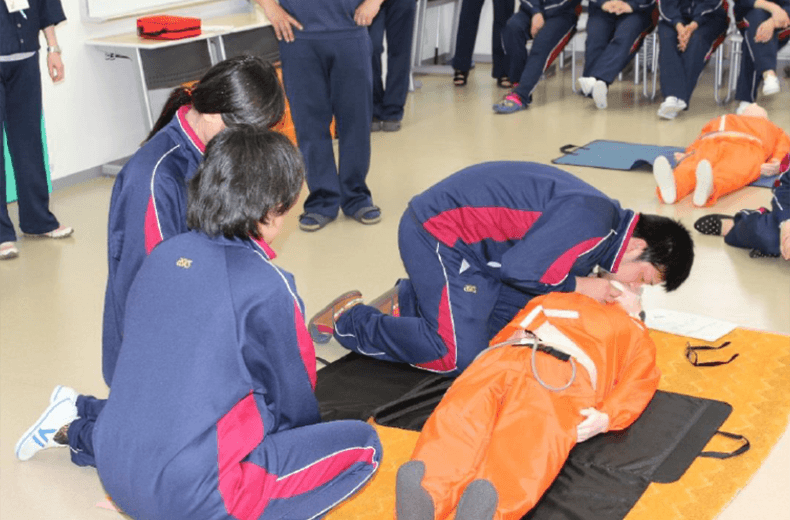
Professional facilities for care and life skills
Hands-on courses build real capability until you can manage someone’s daily care independently.
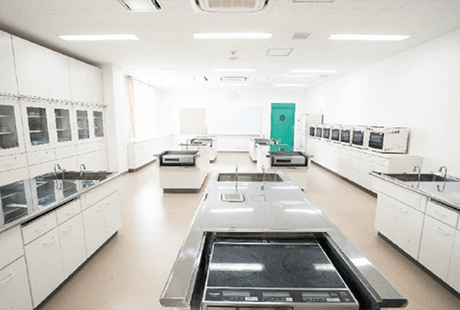



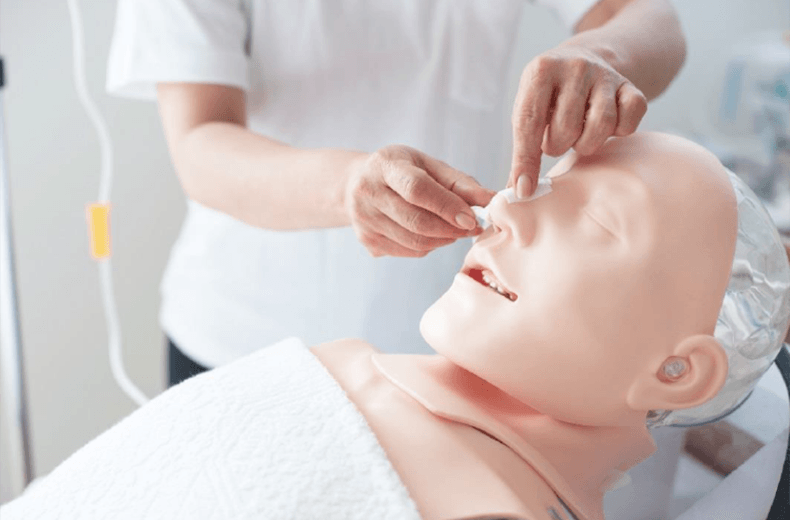
Home-care classroom
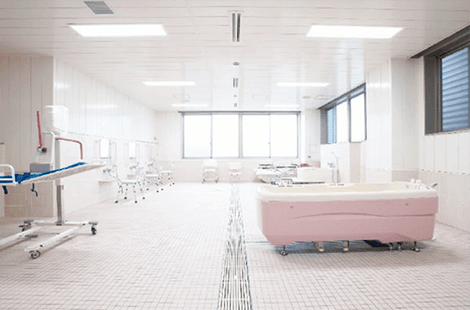
Practise complete washing and bathing routines with professional showers and bathtubs (bathing practice room).
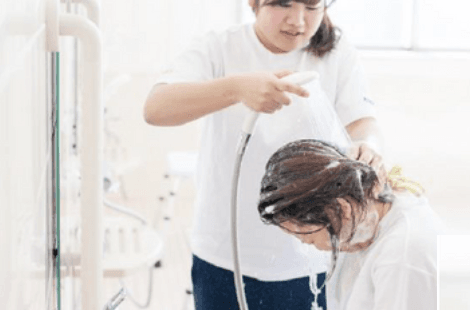
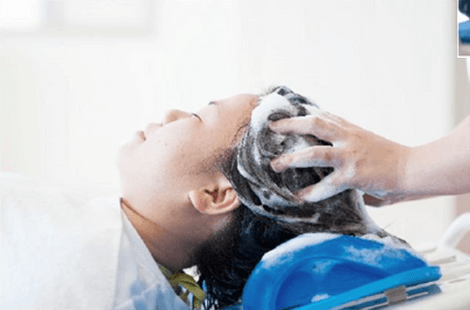
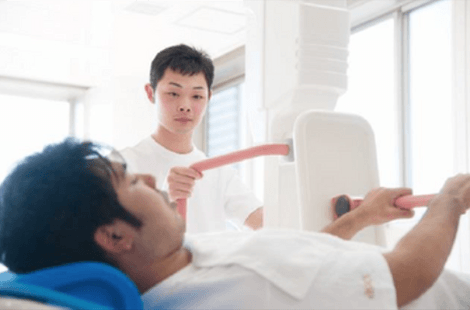
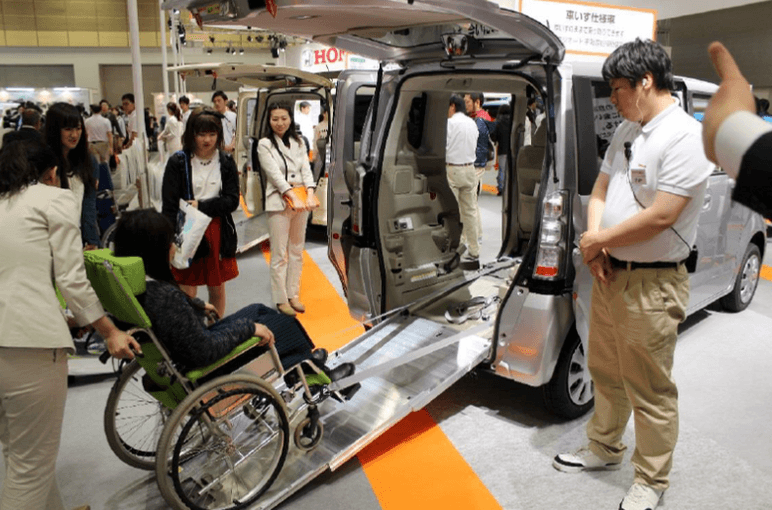
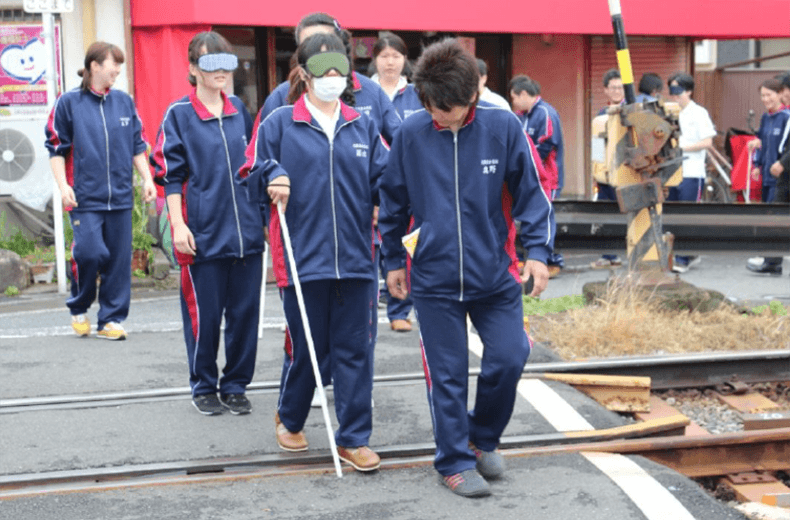
Care equipment experience
Try the latest equipment — barrier-free vehicles, wheelchair lifts, daily-living aids — and feel Japan’s care technology firsthand.
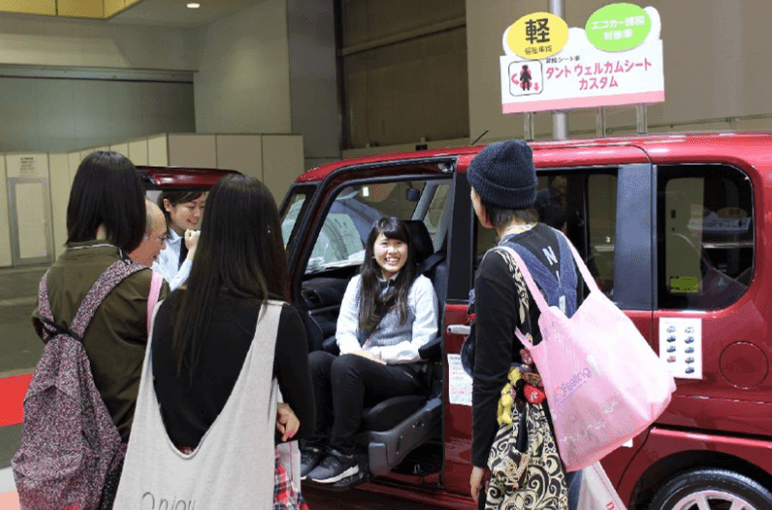
What graduates do
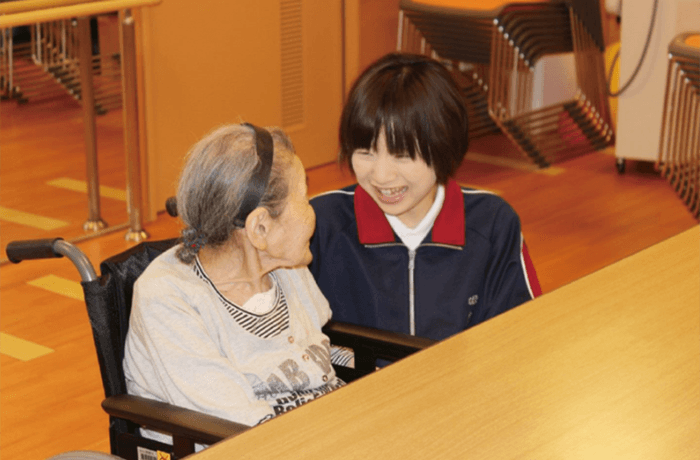
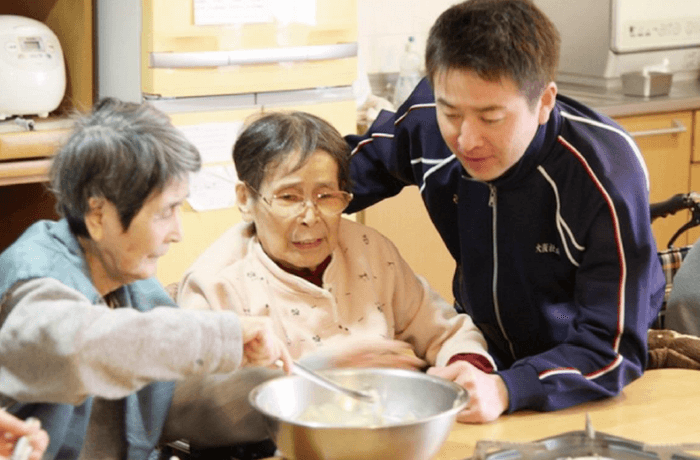
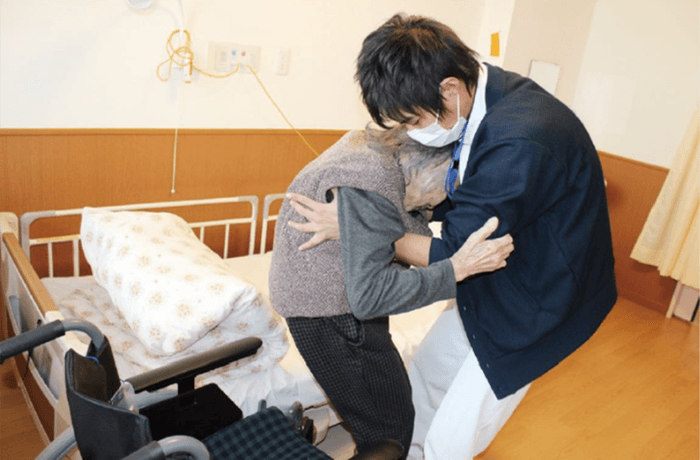
Graduates join nursing homes and care facilities, assisting residents with walking, washing, meals and rehabilitation.
Take the first step now
Give yourself a genuine chance to change your future: study in Japan and build a life there.
- Join us and grow from helper to licensed care professional.
- Ask our advisors about enrolment and courses.
- Follow internship and overseas-study opportunities and plan your career early.
- The future is here and care needs you.
Whether for professional achievement or personal growth, studying caregiving in Japan is one of the highest-value routes to an international future. Tell us which step you want to explore and we will tailor a plan.
Ask us | Japan caregiving applicationFrequently asked questions
Q: How do pay and benefits work in Japanese care, and do foreign professionals get the same advancement as locals?
A: Foreign care workers receive exactly the same pay, benefits and social protection as local staff, including health insurance, employees' pension and housing allowances. Starting salaries generally match local graduates, with allowances and raises following experience and qualifications.
Employer FAQ → Learn more →