
How to Run a Compliant Imported-Worker Hostel in Hong Kong
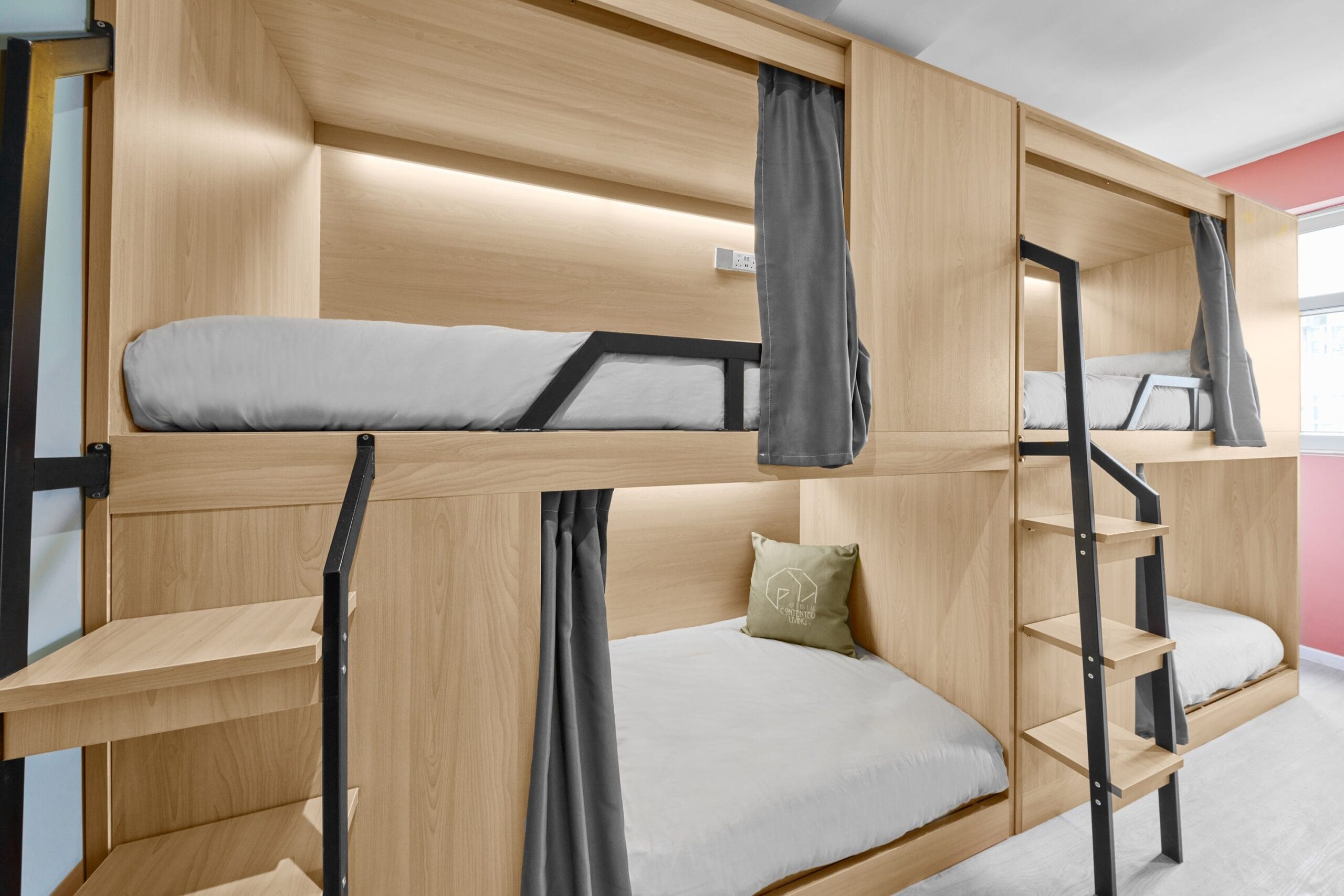
In a city where land is scarce and expensive, managing hostels for imported workers is more than a legal box to tick. It is an operation that has to be run with care. A decent place to live protects workers' basic rights, supports output on site, and steadies relations between employer and staff. This article walks through the law, the fabric of the building, day-to-day running and the human side of a hostel that actually works.
Start with the rules. Under the Bedspace Apartments Ordinance, hostels for imported workers must meet strict safety and hygiene standards. Those cover the minimum area of each bedspace, fire provisions and the number of sanitary fittings. The law requires at least 4.5 square metres of living space per resident. Fire equipment must be adequate, including extinguishers, smoke detectors and emergency lighting. Sanitary provision is equally specific: one toilet and one shower for every six people, so that basic hygiene is not left to chance. This is general information, not legal advice. Actual requirements follow Hong Kong legislation and the latest official guidance from the Labour Department and other authorities.
Location and layout come next. An ideal hostel balances several factors. Transport comes first: close to the workplace or a public-transport hub, so commuting time and cost stay down. Everyday amenities matter as well — a supermarket, a clinic, a bank. Large firms may set aside a dedicated hostel block. Smaller employers more often use a compliant commercial hostel or share a building with other companies, provided the arrangement still meets the standard.
Facilities decide whether the place is merely lawful or actually liveable. Basic kit must be complete: a proper bed, enough storage, and sanitary facilities that residents can rely on. Shared space is not a luxury. A communal kitchen, a laundry and a rest area make the difference between a dormitory and a home. Beyond the statutory fire provisions, closed-circuit television, round-the-clock security and a working access-control system protect residents and show that the employer has thought the arrangement through.
A hostel that fails inspection can stall an entire Enhanced Supplementary Labour Scheme (ESLS) application. Labour Services Company Ltd. (licence 81090) can check whether your company's hostel meets Labour Department requirements. Further reading on imported-worker accommodation is at https://labourservices.com.hk/imported-workers-accommodation/
Daily operations keep a hostel inside the standard after the first inspection. A proper check-in record for every resident is the first step. Cleaning must be scheduled, with a written standard and a check. Plant and equipment need a maintenance rota so that worn kit is replaced before it fails. A small hostel team should own the day-to-day and the emergencies.
Once the legal floor is met, pastoral care is the next layer. Language classes and informal cultural sessions help Mainland workers find their feet in Hong Kong. A counselling line and occasional talks on mental health are not a frill when people are far from home. Food matters: menus should respect regional habits and, from time to time, include dishes from home. Festival gatherings, and help staying in touch with family, build a sense of belonging that no floor plan can supply.
Crisis plans belong on paper before they are needed: infection control, fire, disputes, and how the firm will speak if the press calls. Drill the plan so that managers and residents know the sequence. Links to the relevant departments should already exist, so support arrives quickly. Media handling is part of the same preparation, not an afterthought when something has gone wrong.
One large construction firm set up a 200-person hostel near its site. It met the legal requirements and added a gym, a reading room and a multi-purpose hall. Residents elect representatives to sit on hostel decisions, and the firm holds regular hostel meetings. Joint community-service projects with the neighbourhood have also helped staff meet local residents. Satisfaction rose and turnover fell. The example is illustrative of a method, not a named client testimonial.
Hostel management is a system. It needs money, time and attention from the legal floor up to ordinary human care. A decent hostel is a legal duty and a mark of how the firm treats people. It helps imported workers settle in Hong Kong, which in turn supports output and cohesion. Standards keep rising; employers should keep improving the way they run these buildings.
Hong Kong employers who need a compliance review, help choosing a site, or a lawful route to hire imported workers can contact Labour Services Company Ltd. (licence 81090) for a free initial assessment. The notes above are for general reference only. Official requirements are those in Hong Kong law and the latest government guidance. The company can support a compliance review and the paperwork that goes with it.