
A Hong Kong Employer's Guide to Occupational Safety with Mainland Staff
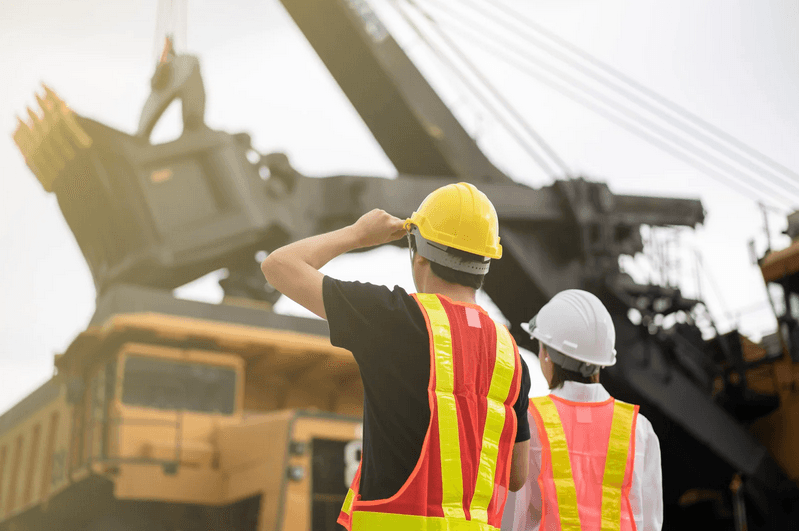
Hong Kong is a highly international city with a dense cluster of high-risk trades. For employers who plan to hire Mainland workers, or already do so, occupational safety and health compliance is not only a legal requirement. It also bears directly on the risk of stoppages, penalties, insurance claims and the firm's reputation. This article looks at Hong Kong's occupational safety and health system from two angles — the employer's duty and the worker's self-protection — so both sides have the knowledge and skills they need.
Hong Kong's occupational safety and health framework is well developed. It centres on the Occupational Safety and Health Ordinance, supported by specialised regulations that cover different industries and types of work. The law requires employers to keep the workplace safe and to provide the necessary equipment and training. Employees must follow the safety rules, use protective equipment properly and report hazards promptly. The Occupational Safety and Health Branch of the Labour Department is the principal regulator. It may inspect and enforce so that workplaces meet the required standard. This article is general information, not legal advice; the Labour Department's texts prevail.
Hazards differ by workplace. Construction sites are among the most demanding environments: work at height, heavy plant and electrical equipment are common risks. Hotels look safer than they are. Wet floors, repetitive strain and chemical cleaners all feature. Logistics and transport need safe manual handling to protect the back, plus proper use of vehicles and machinery. Manufacturing has many sources of harm, from machines to chemicals, and all of them need attention.
Personal protective equipment is the first line of defence. Needs vary by trade, but typically include safety helmets, safety footwear, eye protection and gloves. Fit matters: a helmet must sit at the right tension, and safety shoes must still grip and resist puncture. Kit must be inspected and replaced so that it still protects. Common mistakes — skipping it because it is a bother, wearing it wrongly, or using damaged kit — can have serious consequences.
Safe working procedures prevent accidents. Work at height requires a proper safety harness and a sound anchorage. Machine operators need thorough training and must know where the emergency stop is and how to use it. Electrical work calls for extra care and a lock-out, tag-out system so that power is fully isolated during maintenance. Manual handling of heavy loads should use the legs, keep the back straight and avoid sudden force. These rules are drawn from real accidents and must be followed.
If an accident happens, report it to a supervisor at once and record it under the company's procedure. If there is an injury, seek medical care promptly and keep every medical record. Hong Kong public hospitals provide accident and emergency services, and employees' compensation insurance can meet the related medical costs. In an emergency, call 999 and state the location and what has happened clearly. Insurance claims afterwards should be filed on time so that cover is not lost.
A lasting safety culture is built in small habits. Workers should take up the safety training the company arranges. Keep the work area tidy and watch what is happening around you. Colleagues should warn one another and stop unsafe acts. Most firms have a channel for safety suggestions; use it. Those habits add up.
Occupational safety and health is a basic right of every worker and a legal and moral duty of the employer. Knowing the law, recognising trade risks, managing personal protective equipment, following procedures and handling incidents — together with a genuine safety culture — cuts accidents and protects productivity and trust.
Hiring imported labour involves law, insurance and safety training. Labour Services Company Ltd. (licence 81090) can arrange a one-to-one consultation on a practical compliance plan. Contact us to discuss your site.