
HK01: Construction sector urges dynamic assessment of imported-labour demand | Development Bureau: latest quarterly quotas down nearly 700
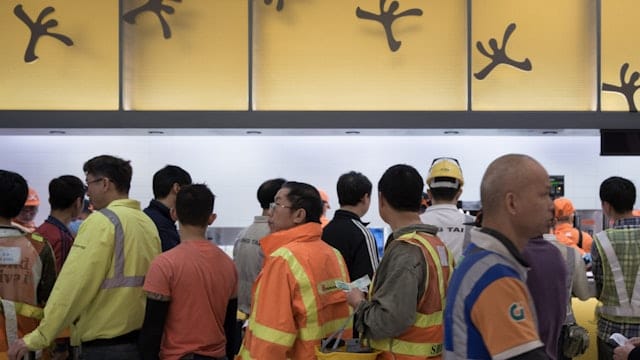
With private construction volume falling in recent years and unemployment running high in some construction trades, the Construction Industry Council (CIC) has suggested the government assess imported-labour demand dynamically using real-time data. The Development Bureau said today (17th) it has always addressed construction manpower supply and demand with a multi-pronged strategy; approved import quotas fell to 7,332 in the latest quarter — far below the scheme's 12,000 cap — while the newest round approved 986 worker places, all in shortage trades eligible for application, reflecting dynamic quota adjustment in step with the construction labour market.
The CIC said today that with private works shrinking recently and labour demand easing, it recommends the government assess imported-labour demand dynamically from real-time data. The Development Bureau said in a social media post tonight that it has consistently used a "combination punch" of measures — strengthening training of skilled workers and technicians, increasing infrastructure investment, and pushing ahead with more small and medium projects.
On the much-discussed labour importation scheme, the bureau said the latest (ninth) round approved 10 applications totalling 986 imported-worker places, covering public projects of various types — hospital works, public housing, public facilities — all in shortage occupations of skilled workers and technicians eligible to apply.
The bureau noted that even as new applications are approved per need, the total number of approved-and-valid import quotas keeps declining as earlier places complete their work: from 8,016 in this year's second quarter to 7,332 in the latest quarter (counting the ninth round) — a fall of 684, far below the 12,000 cap — showing dynamic adjustment in line with the construction labour market.
The bureau added that recent rounds have mainly approved trades involved in later-stage works — air-conditioning and refrigeration equipment, fire services and other E&M trades — all severely short in the industry. It stressed local-employment-first as the policy principle: strengthening local training, promoting technology adoption to lift productivity, supporting workers through short-term adjustments in the private market, while vetting import applications carefully to meet the industry's manpower needs.
Original article: https://www.hk01.com/社會新聞/60286411/建造業倡動態評估輸外勞需求-發展局-最新一季配額減少近700個