
Imported labour | Five refinements announced today — sources: two-tier approval, tougher penalties for non-compliant employers | hket
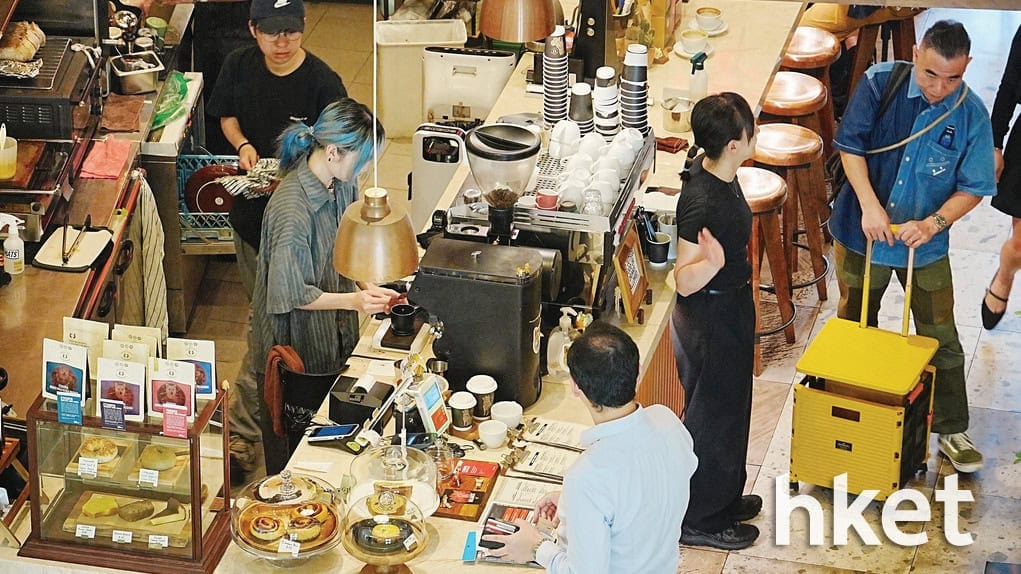
Sources say the imported-labour scheme will announce five major refinements today, including two-tier approval — second-tier trades will face stricter requirements, with the local-to-imported ratio changing from 2:1 to 3:1, meaning employers must hire at least three local employees for every imported worker. Catering is included: kitchen production and front-of-house staff are covered, but not dishwashers.
With the economy shifting and public calls for review growing, the Labour and Welfare Bureau announced the ESLS reform today (15th). Government sources said Hong Kong's ageing population means the workforce will keep shrinking; despite mismatches in some industries, the scheme must continue.
Catering enters Tier 2; ratio rises to 3:1
Given the mismatches, one change splits the current single-tier approval into industry-based tiers. Tier 1 keeps the 2:1 ratio — one imported worker requires at least two local employees. Tier 2 moves to 3:1. Catering, with its high share of imported labour, enters the new second tier.
On local hiring, the open recruitment period extends from four to six weeks. However, employers' on-site sessions at Labour Department centres change from weekly to once a fortnight.
Import ban for violators rises to five years
How effective are the on-site sessions? Sources admitted that over the past nine months, catering trades saw 4,000 vacancies with 700 interviewees, 230 hired — but only 12 actually took the jobs (5%). Why do vacancies go unfilled while so many decline? Reportedly: unsuitable roles or pay, inconvenient locations, early start times.
Penalties for violating employers also strengthen: the import-application ban rises from two years to a maximum of five — repeat violations stack, up to five years. Sources called the punishment "heavy", and flagged that the government will watch imported workers' wages closely — they should match the local median for the position.
Housing deduction cap rises to 20% of wages
There is good news for employers, though: the housing-fee deduction from imported workers' wages, currently capped at 10% of monthly salary (excess borne by the employer), rises to 20% — with actual-cost reimbursement required. Sources noted Hong Kong accommodation costs have risen; many workers live and work in urban areas, paying HK$1,800–3,000 monthly, so some flexibility is reasonable. The arrangement applies to new imported workers only; existing ones keep the old terms.
Work locations also relax from three to five permitted sites — useful for, say, security guards rotating across sites. Again, new workers only.
To encourage hiring locals with disabilities, under the new arrangement an employer hiring one local person with a disability may hire one imported worker — 1:1. But sources stressed: if the employer later dismisses that person, they must hire another person with a disability or face administrative sanctions.
Original article: https://news.hket.com/article/4146329/